Getting the Most Value from Your Diamond: What You Should Know Before Buying
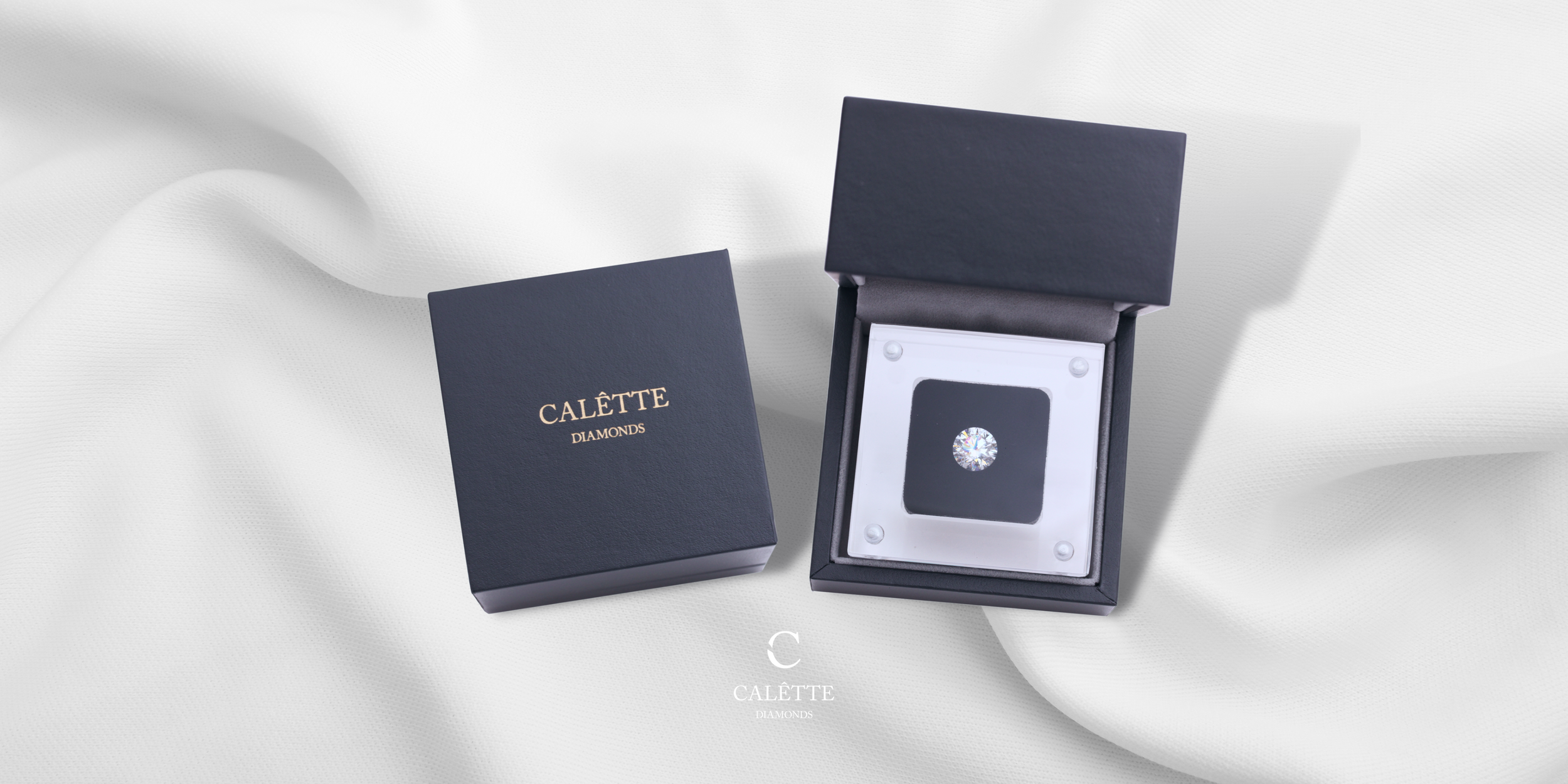
When looking to buy a diamond — whether as a symbol of a special moment, a gift for someone important or a reward for yourself, most people naturally want the best diamond their budget can afford.
But getting the best value from a diamond doesn't always mean buying the largest, the whitest or the most flawless stone. True value means: "With this budget, which diamond looks the most beautiful and holds the most worth?" This article will walk you through how to choose a diamond wisely like a seasoned professional.
1. A Beautiful Diamond Shines Bright — and Brilliance Comes from Cut, Symmetry and Polish, not just Carat
The most important factor that makes a diamond look beautiful is its fire. What we often hear described as a diamond with stunning fire, that fire comes from an Excellent Cut, Symmetry and Polish which allows the diamond to reflect light to its fullest potential. A larger diamond with a poor cut will look less beautiful than a slightly smaller one with a better cut.
For Round Brilliant Cut Diamonds, collectors look for Triple Excellent diamonds in terms of Excellent Cut, Excellent Polish and Excellent Symmetry. Fancy Shape diamonds do not have a cut grade, therefore collectors look for Excellent Polish. However, Excellent Symmetry is more subjective in Fancy Shape diamonds, since the shape that appeals to each person is different. For example, if someone is looking for an Oval shape diamond, they may prefer an elongated Oval as opposed to a wider Oval.
Choosing a diamond with an Excellent Cut, Symmetry and Polish means you can achieve a beautiful, brilliant stone without needing to increase your budget for carat size — saving you money without compromising on beauty.
2. The Right Amount of White — Is the White That Your Eyes Can Actually See
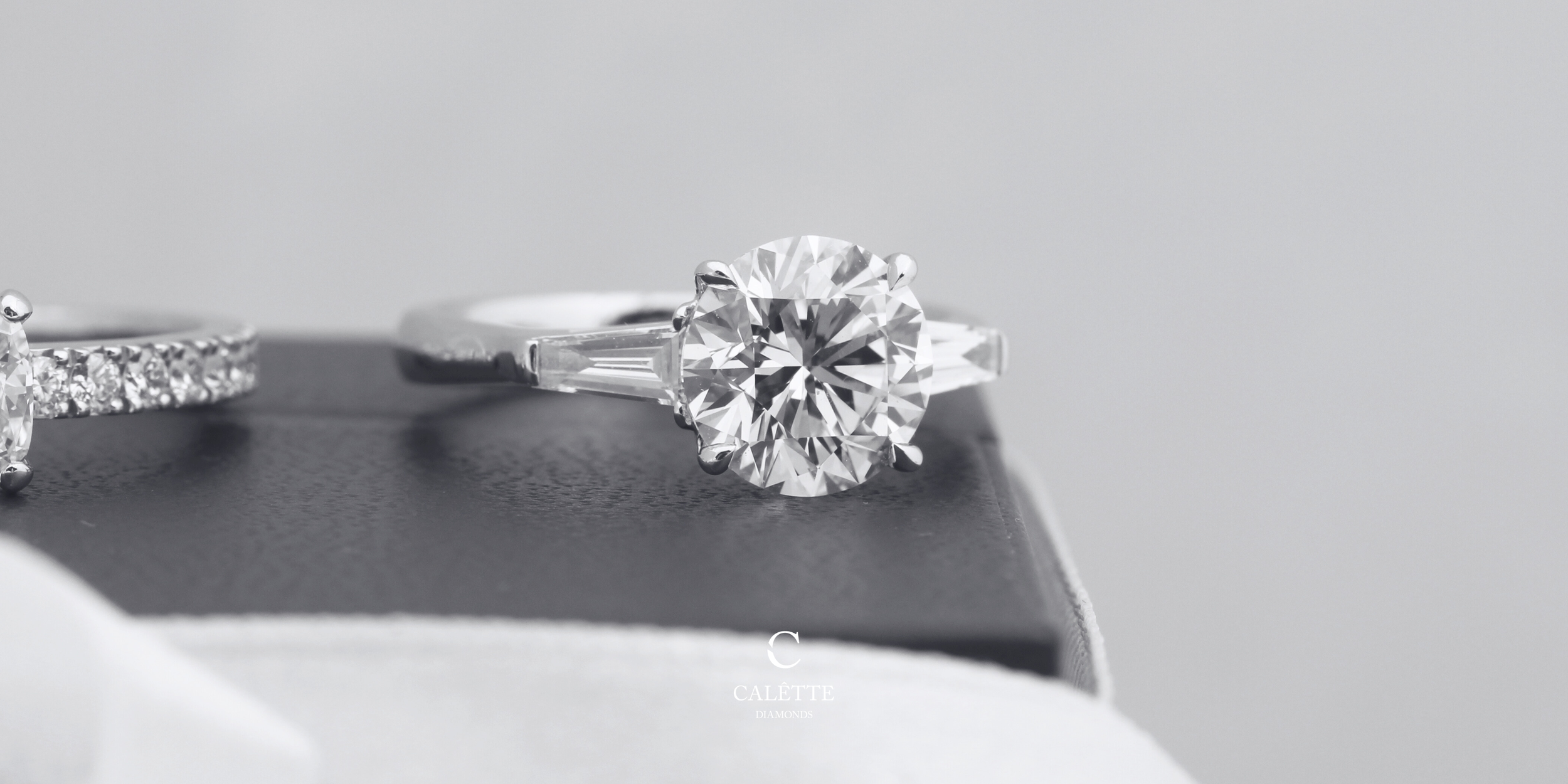
It's undeniable that D Color is the whitest, highest-standard diamond available. But it may not always be the most cost-effective choice.
In real life, most people cannot distinguish the whiteness of a D Color diamond from a G Color diamond with the naked eye — especially once the stone is set in a mounting. An H Color diamond looks virtually identical to an F Color diamond to the average observer.
The G–H color range is the sweet spot of diamond pricing — visually white, reasonably priced, sitting at the price point just before the price jumps significantly.
3. Eye Clean — Clarity That the Eye Simply Cannot See
Inclusions do affect a diamond's brilliance, but unless they are large black crystal inclusions or a prominent flaw visible at the center of the stone, the difference between VVS and VS is nearly indistinguishable to the naked eye.
Many buyers seek out very clean grades such as IF or VVS, when in reality those inclusions are invisible without magnification. Choosing a VS grade diamond that is “Eye Clean” is an excellent value — it looks flawless to the naked eye, yet can cost tens thousands baht less.
4. Choose a Size Just Before the Price Jump (Premium Size)
Diamonds are priced according to a global benchmark, with price brackets based on carat weight. This creates what are known as "price jump points" or Premium Size — moments where the price per carat increases sharply at specific weights:
0.50 ct.
0.70 ct.
0.90 ct.
1.00 ct.
1.50 ct.
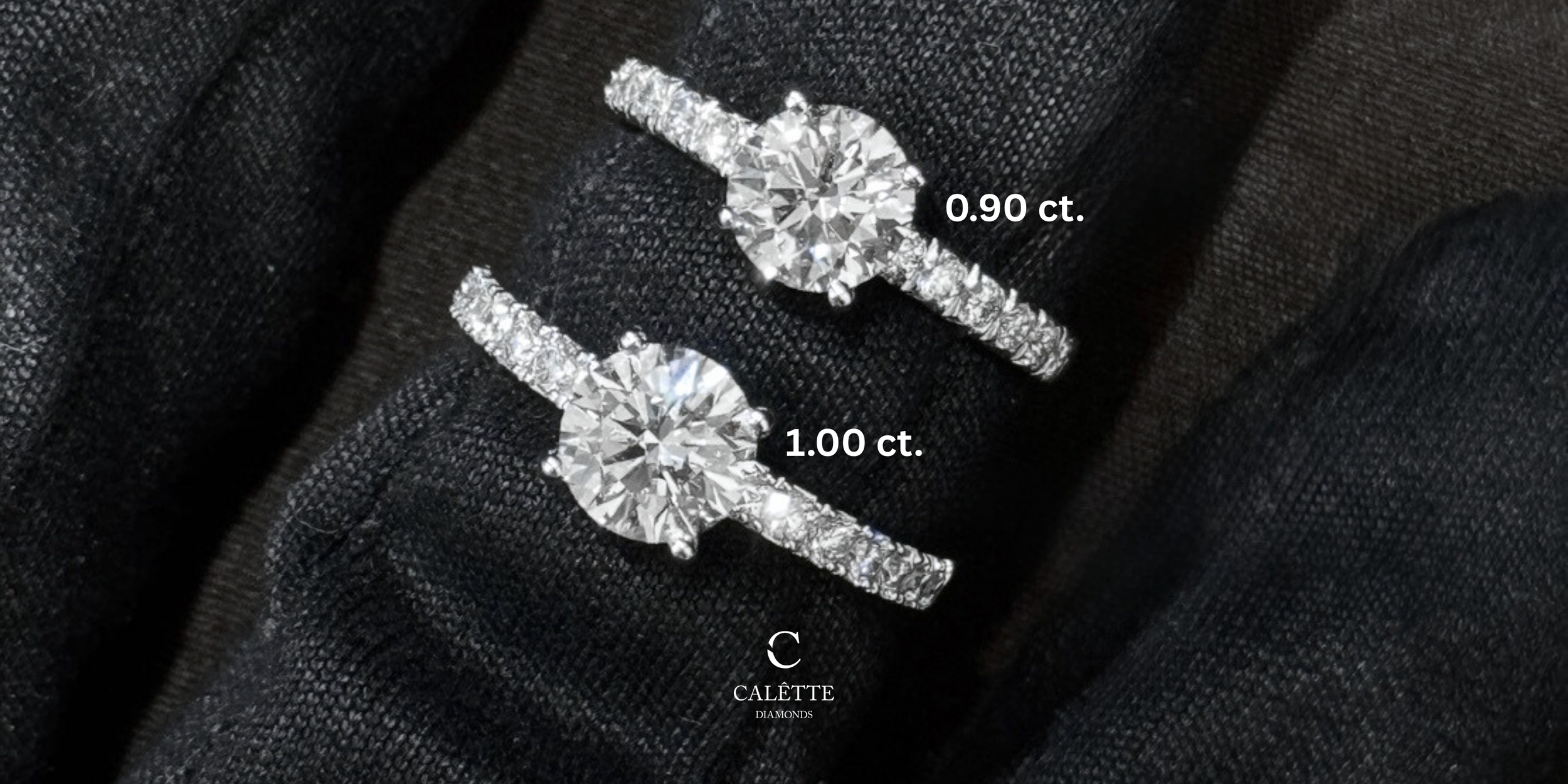
In reality, a diamond in the 0.90–0.98 ct. range looks almost identical in size to a 1.00 ct. diamond when placed on a hand — yet the price difference is substantial.
Read more about diamond pricing before the jump point: Premium Size Diamonds: Diamonds at a Smarter Price
5. The Certificate Is the Most Important Thing When Buying a Diamond
Any diamond over 0.30 carat should come with a grading certificate from a reputable institution, such as:
Gemological Institute of America (GIA)
HRD Antwerp
International Gemological Institute (IGI)
A certificate serves as proof of identity for the diamond — verifying its quality and ensuring that the grade the seller is claiming is genuinely accurate.
Read more: Diamond Buying Tips: Should You Buy a Certified or Uncertified Diamond?
Summary
The best value comes from paying for what you can see and not paying extra for what you cannot see.
Diamonds are high-value items, but if you choose wisely, you can find a beautiful, worthwhile stone that perfectly suits your budget.
Looking for genuine GIA, HRD, or IGI certified diamonds — round or fancy cut — or would like to enquire about diamond prices, please contact us at:
Facebook Fanpage: Calette Diamonds : เพชร GIA แหวนเพชร แหวนหมั้น
Instagram: calette_diamonds
Website: www.calettediamonds.com
Line: @calettediamonds (please include the @ symbol)