Q&A: Natural Diamond VS Lab Grown Diamond
A Lab Grown Diamond is a diamond that has the same physical characteristics and scintillation as a natural diamond. They are produced through a process that replicates natural formation but compressed from millions of years down to just 1–2 months, using controlled laboratory equipment.
Because natural diamonds are rare, they have long been associated with investment value, emotional significance to the owner, and the idea of eternal love — as seen in literature and beliefs passed down over hundreds of years. In recent years, many people have become familiar with Lab Grown Diamonds and may wonder: are they the same as synthetic diamonds? Calette Diamonds has compiled a list of frequently asked questions to help answer this.
Lab Diamond VS Natural Diamond: What Is the Difference?
The first difference between a Lab Grown Diamond and a natural diamond is their origin. A natural diamond forms through a 100% natural process — under pressure more than 150–200 kilometers beneath the Earth's surface — over millions of years, before being mined, cut, and polished by humans.
A Lab Grown Diamond, on the other hand, is created by humans, using a process that replicates the same crystal formation — but carried out in a laboratory in a dramatically shorter timeframe: from millions of years down to just 1–2 months, before being cut and polished.
To the naked eye, it is impossible to tell the two apart. Gemologists therefore use nitrogen (N) as the key differentiator. Natural diamonds contain nitrogen, whereas Lab Grown Diamonds contain no nitrogen.
How Is a Lab Grown Diamond Produced?
Lab Grown Diamonds are sometimes called man-made diamonds, synthetic diamonds, cultured diamonds, or even described as "artisanal" — terminology that can confuse consumers. All of these terms refer to the same thing, a diamond that has been "grown" in a laboratory.
There are two production methods for Lab Grown Diamonds:
1.Chemical Vapor Deposition (CVD)
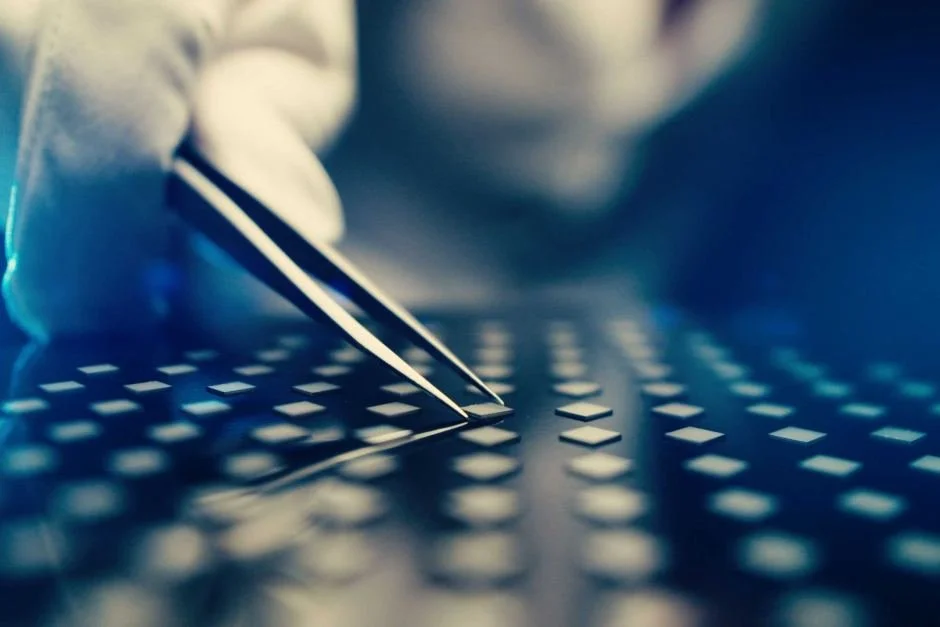
Cr. ABC
In the CVD process, a tiny "crystal seed”,an extremely small diamond seed, is placed inside a small chamber filled with superheated gas. When the gas reaches the right temperature, layers of carbon begin to form on the crystal seed, causing it to grow into a square-shaped diamond crystal.
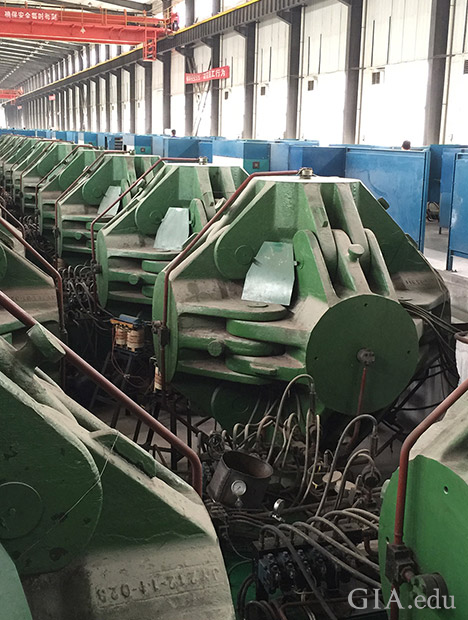
Cr. GIA.edu
2.High Pressure High Temperature (HPHT)
The HPHT process replicates the natural formation of diamonds by placing a graphite plate inside a large machine that compresses it under extreme pressure and temperature. Under these conditions, the graphite transforms into diamond.
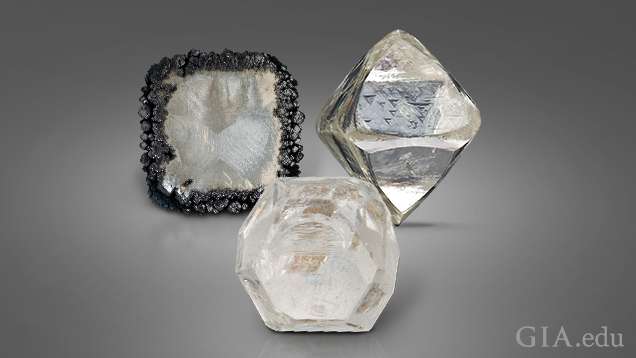
Cr. GIA.edu
How Can You Tell the Difference Between a CVD and HPHT Diamond?
To the average person looking with the naked eye, it is impossible to distinguish between a CVD and an HPHT diamond. Both methods produce diamonds with the same physical and chemical characteristics as natural diamonds, and both are graded using the same 4Cs framework.
GIA & IGI Certificates for Lab Grown Diamonds
Because Lab Grown Diamonds share the same chemical characteristics as natural diamonds, they receive the same type of grading certificate. Today, most Lab Grown Diamonds are certified by IGI. The IGI diamond certificate evaluates the 4Cs — Cut, Color, Clarity, and Carat weight. GIA also certifies Lab Grown Diamonds. Instead of traditional 4Cs letter grades, the GIA Laboratory-Grown Diamond Services evaluate stones using descriptive terms like "Premium" (D color, VVS clarity or higher and Excellent polish and symmetry along with an Excellent cut grade for round brilliant cuts) or “Standard" (E-J color, VS clarity and Very Good polish and symmetry along with Very Good cut grade for round brilliant cuts). Every graded diamond has "Laboratory-Grown" and a unique number laser-inscribed directly onto its girdle.
The price of Lab Grown Diamonds has declined in recent years while demand has increased.
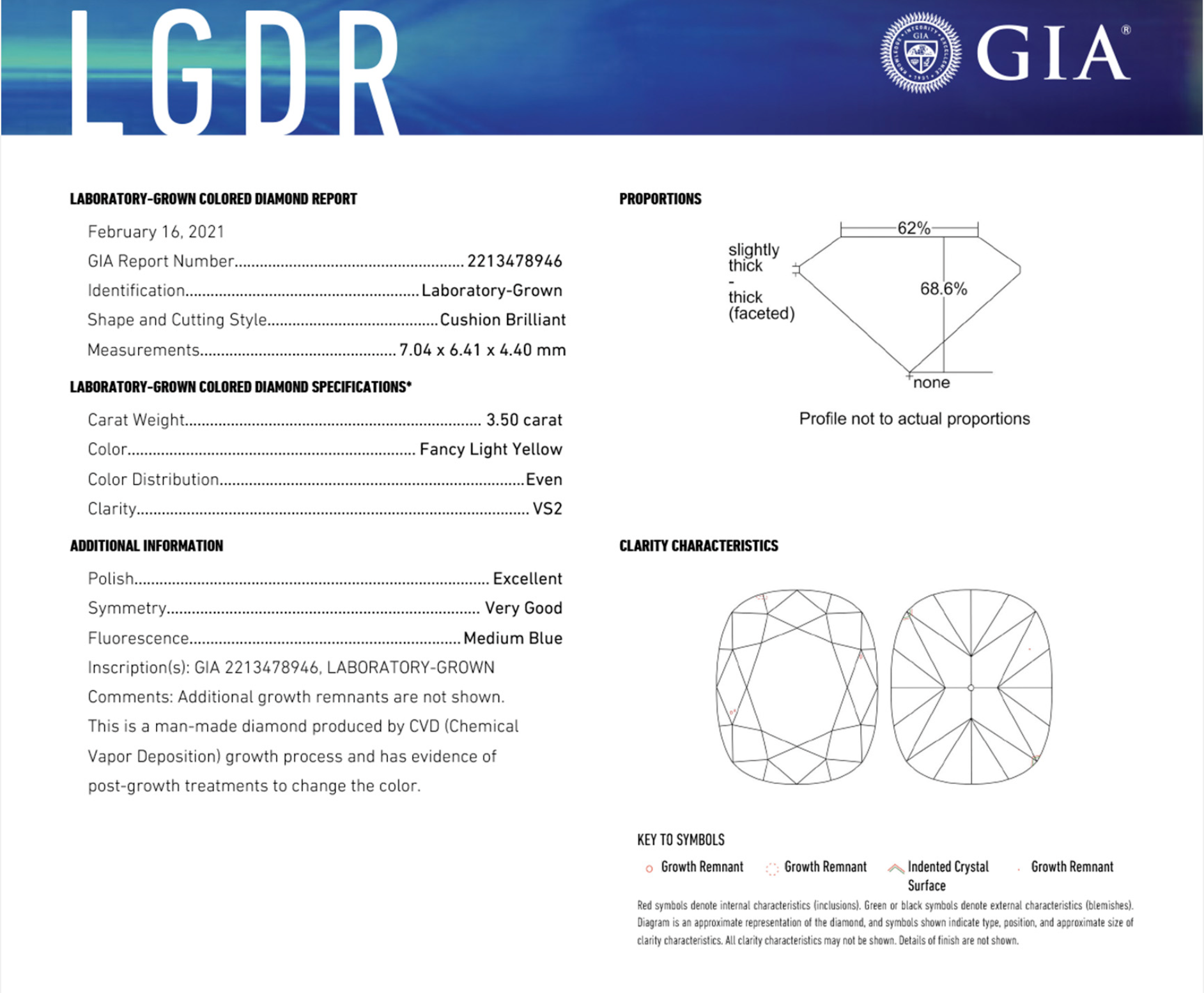
GIA LAB GROWN DIAMOND CERTIFICATE
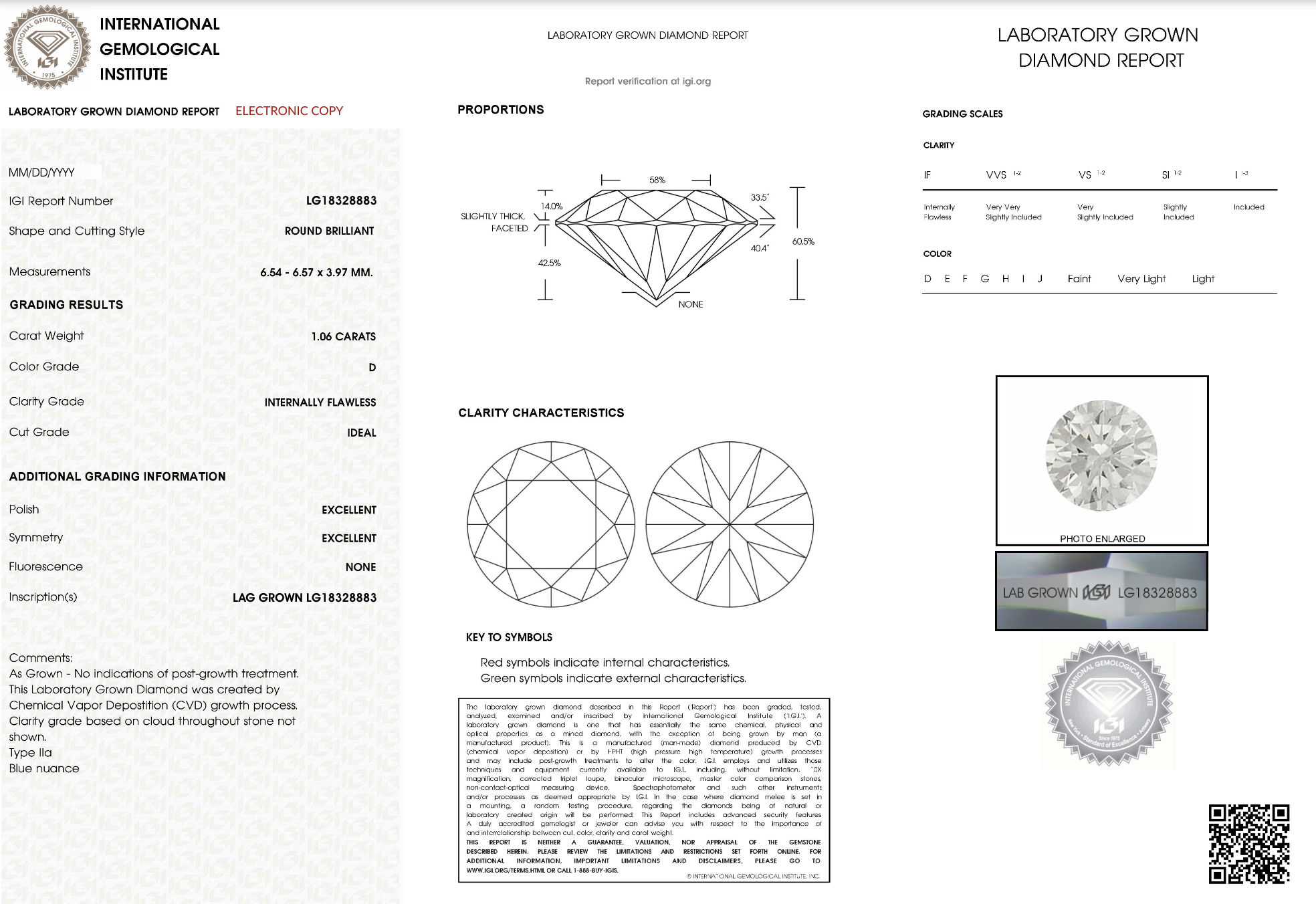
IGI LAB GROWN DIAMOND CERTIFICATE
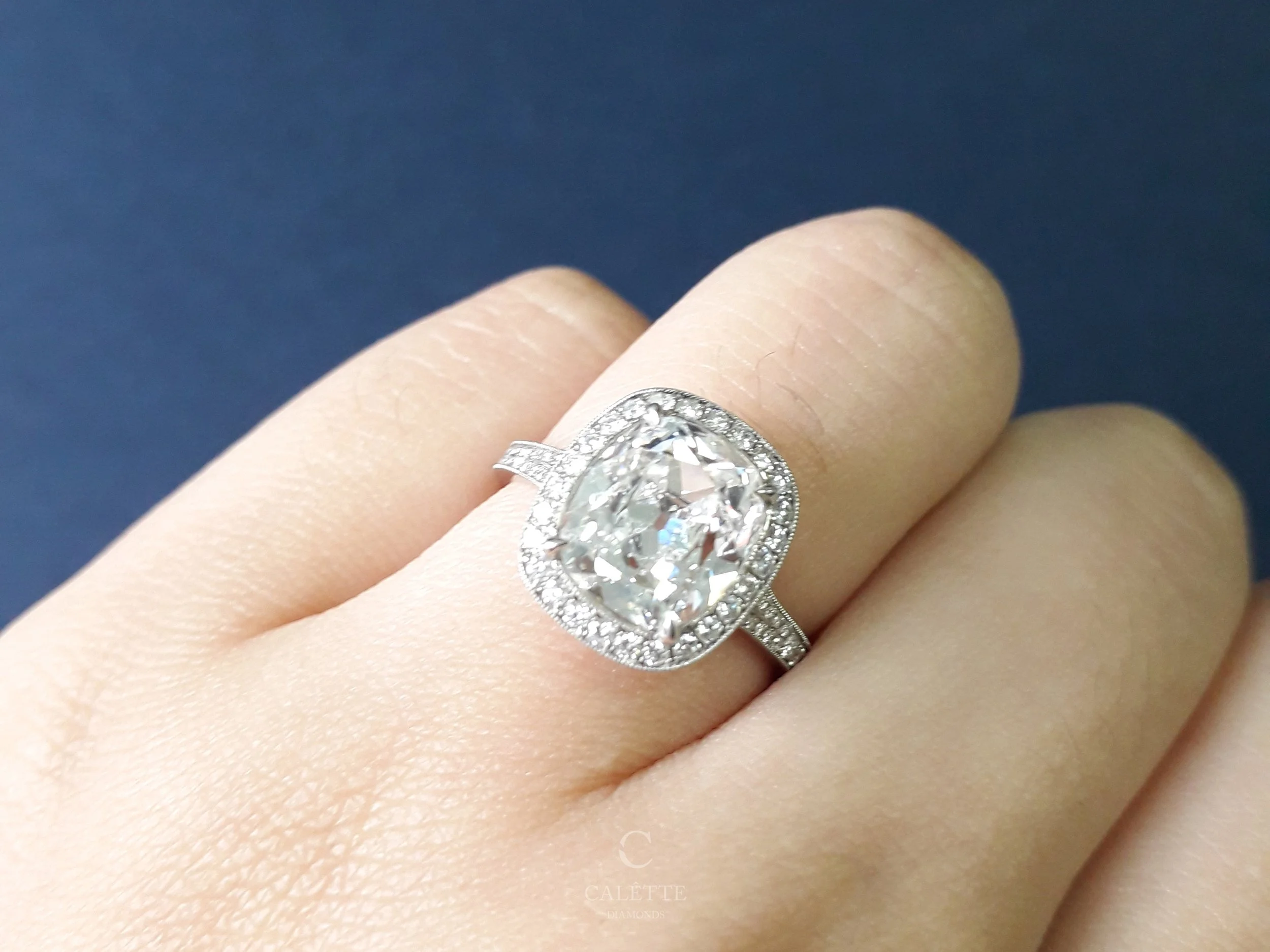
Natural GIA diamond — custom diamond ring, engagement ring, wedding ring
Summary
Whether you choose a natural diamond or a Lab Grown Diamond, the most important thing is that any purchase should always come with a certificate — to confirm that the diamond you receive matches its stated quality and true value.
If you are planning to commission a diamond ring, engagement ring, or wedding ring but are not sure where to begin, feel free to get in touch and schedule a consultation with the Calette Diamonds team at:
Line: @calettediamonds
Facebook Fanpage: Calette Diamonds : เพชร GIA แหวนเพชร แหวนหมั้น
Instagram: calette_diamonds